
The Importance of Red Cross First Aid Training for Individuals

Emergencies can strike at any moment, whether at home, in the workplace, or in public spaces. In such situations, having a trained person equipped with first aid knowledge can make all the difference in saving lives until medical services arrive. Red Cross First Aid Training provides a comprehensive solution, empowering individuals with the necessary skills to respond effectively to emergencies and potentially life-threatening scenarios.
1. Immediate Response in Emergencies:
The primary objective of Red Cross First Aid Training is to prepare individuals to act as first responders in emergencies. A trained first aider possesses the knowledge and confidence to assess the situation, prioritize care, and administer appropriate first aid measures, thereby increasing the chances of survival for an injured person.
2. Saving Lives with Proper First Aid:
Red Cross First Aid Training equips individuals with various life-saving techniques. From cardiopulmonary resuscitation (CPR) and rescue breathing to controlling severe bleeding and administering the Heimlich maneuver for choking victims, these skills can stabilize a person's condition until professional help arrives. With prompt and proper first aid, lives can be saved.

3. Increased Confidence and Preparedness:
Knowing what to do in an emergency can tremendously boost an individual's confidence levels. Red Cross First Aid courses provide participants valuable experience in dealing with various emergencies through hands-on practical training and simulated scenarios. When faced with real-life situations requiring immediate action, this confidence can be the difference-maker.
4. Prevention of Further Harm:
Properly administered first aid addresses the immediate needs of an injured or ill person and helps prevent further harm or complications. Techniques taught in Red Cross Training, such as immobilizing fractures, controlling bleeding, or providing pain relief, contribute to minimizing additional injury or exacerbation of existing conditions.

5. Workplace Safety and Compliance:
Many workplaces require employees to undergo first aid training as part of their occupational health and safety programs, ensuring compliance with regulations. Employees trained in first aid become valuable assets, contributing to a safer work environment and the well-being of their colleagues in the event of an emergency.
6. Community Preparedness and Resilience:
Red Cross First Aid Training extends beyond individual preparedness to foster community-wide resilience. When a significant number of individuals within a community possess basic first aid knowledge, the overall response to emergencies improves, creating a safer and more secure environment for everyone.
7. Understanding and Using Automated External Defibrillators (AEDs):
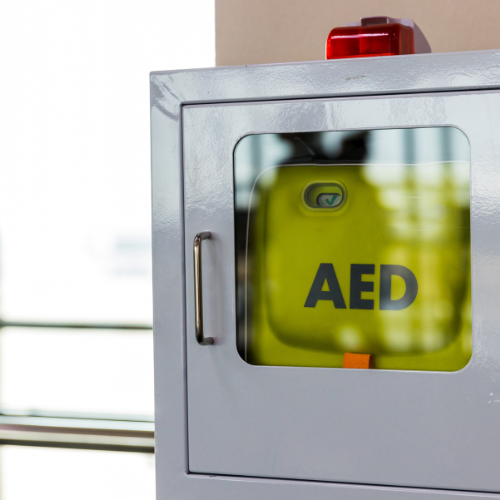
Automated External Defibrillators (AEDs) are becoming increasingly prevalent in public spaces. Red Cross First Aid Training includes education on using AEDs, enabling individuals to confidently operate these devices and deliver life-saving electric shocks in cases of sudden cardiac arrest.
8. Complements Professional Medical Treatment:
While Red Cross First Aid Training provides essential skills for immediate response, it is not a substitute for professional medical treatment. Instead, it complements such treatment by bridging the gap between the onset of an emergency and the arrival of medical personnel, potentially increasing the chances of survival and recovery.
9. Personal and Family Safety:
First aid skills are invaluable in public spaces or workplaces and at home. Red Cross First Aid Training ensures that individuals can respond effectively to accidents or medical emergencies within their families, promoting overall household safety and preparedness.
10. Why is First Aid Important?: Lifelong Skill Development
Once acquired, first aid skills stay with individuals for a lifetime. Red Cross Training provides ongoing opportunities for skill reinforcement and updates, allowing individuals to stay current with the latest techniques, guidelines, and best practices in first aid and emergency response.

11. Workplace Preparedness and First Aid Kits:
In addition to training employees in first aid, many workplaces must maintain well-stocked first aid kits on-site. These kits, coupled with the knowledge gained from Red Cross First Aid Training, enable appropriate first aid measures to be taken immediately, potentially mitigating the severity of an injury or illness until emergency services arrive.

12. Recognizing Potential Hazards:
Red Cross First Aid Training also emphasizes the importance of recognizing potential hazards and taking proactive measures to prevent accidents or emergencies from occurring in the first place. This includes assessing and mitigating risks in various environments and promoting a safer and more secure environment.
13. Providing Appropriate First Aid:
One of the core principles taught in Red Cross First Aid Training is the importance of providing appropriate first aid based on the specific situation and severity of the injury or illness. Participants learn to assess the situation, prioritize care, and administer the most suitable first aid techniques, ensuring the best possible outcome for the injured person.
14. Collaborating with Emergency Services:
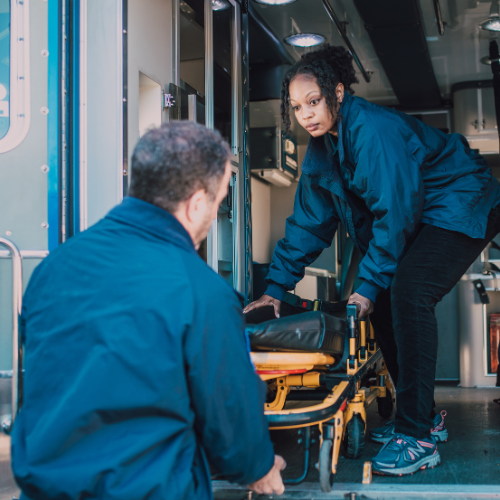
While first aid training equips individuals with essential skills, it also emphasizes collaborating with emergency services when necessary. Participants learn how to effectively communicate with emergency responders, provide accurate information, and follow instructions to ensure a seamless transition of care.
15. Continuous Learning and Skill Reinforcement:
Red Cross First Aid Training recognizes the importance of continuous learning and skill reinforcement. In addition to initial training courses, the organization offers regular refresher courses and updates to ensure that participants stay up-to-date with the latest techniques, guidelines, and best practices in first aid and emergency response.
Conclusion
In conclusion, Red Cross First Aid Training is an invaluable investment in personal and community safety. This training plays a vital role in creating a more resilient and secure society by arming individuals with the knowledge and skills to respond effectively in emergencies. From saving lives to preventing further harm, the impact of first aid training extends across various aspects of individual, family, and community well-being. Whether at home, in the workplace, or public spaces, having individuals trained in first aid can make a significant difference in responding to emergencies and potentially saving lives until appropriate medical treatment is available.