
The Art of Self-Defense: Techniques & Legal Considerations

In an increasingly complex world, the ability to protect oneself has become a vital skill. Self-defense encompasses more than just physical techniques; it's a comprehensive approach to personal safety that includes awareness, preparation, and responsible action. This article explores various aspects of self-defense, from martial arts to the use of chemical agents, and their implications in both civilian and law enforcement contexts.
What techniques and tools are essential for effective self defense?
Essential self-defense techniques include striking, grappling, and maintaining situational awareness. Tools like pepper spray, personal alarms, and self-defense keychains can significantly enhance personal safety, empowering individuals to respond effectively in various dangerous and threatening situations.
Traditional Martial Arts to Modern Systems
Self-defense has roots in ancient martial arts, with systems developed over centuries in various cultures. However, modern self-defense often focuses on more practical, efficient techniques. One of the most renowned modern systems is Krav Maga, developed for the Israel Defense Forces and now taught worldwide.

Krav Maga stands out from traditional martial arts schools in several ways:
- Focus on real-world scenarios rather than competition or forms
- Emphasis on neutralizing threats quickly and efficiently
- Techniques designed to be effective regardless of the practitioner's size or fitness level
- Integration of awareness training and psychological preparation
While Krav Maga has gained popularity, other martial arts like Brazilian Jiu-Jitsu, Muay Thai, and Boxing also offer valuable skills for self-defense. The key is to find a system that aligns with your physical capabilities and self-defense goals.
The Psychological Aspect of Self-Defense
Physical skills are only part of the equation. The psychological component of self defense is equally crucial. Effective training helps individuals:
- Overcome fear and panic in high-stress situations
- Improve visual acuity and situational awareness
- Develop confidence and assertiveness
- Make quick, decisive actions under pressure
These mental aspects often serve as a deterrent, as potential attackers are less likely to target someone who appears alert, confident, and prepared.

Chemical Agents in Self-Defense and Crowd Control
Pepper Spray: A Civilian Self-Defense Tool
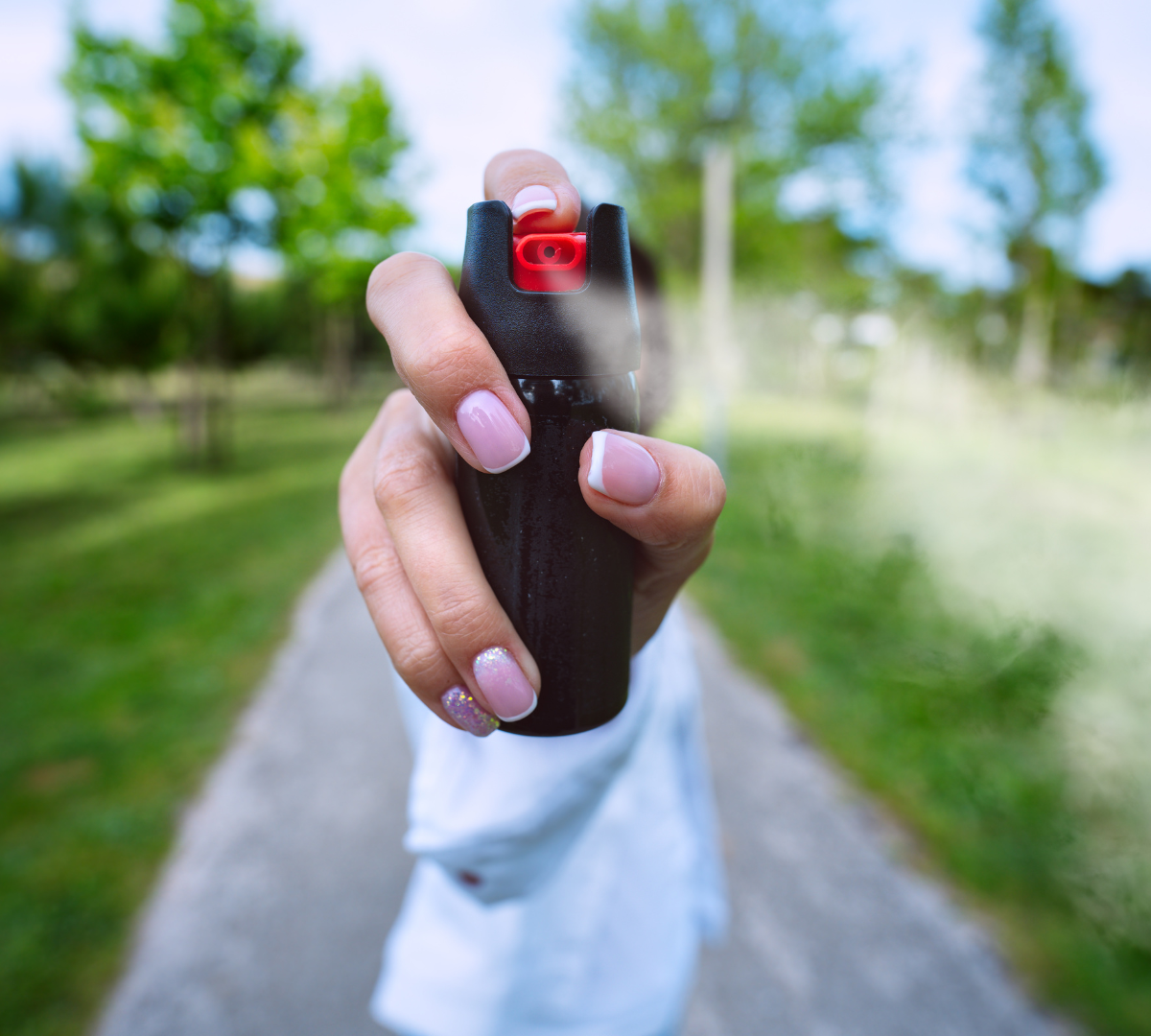
One of the most common self-defense tools available to civilians in the United States is pepper spray. Derived from red pepper, this organic solvent causes temporary blindness, intense eye pain, and respiratory symptoms. Key points about pepper spray include:
- Legal for possession in most areas, though regulations vary by state
- Available in various strengths and delivery methods
- Effective range typically between 3 to 10 feet
- Causes immediate irritant effects, providing an opportunity for escape
While effective, it's crucial to understand the strength of the spray and its potential effects. High concentrations can lead to more severe reactions, and improper use can result in self-contamination.
Riot Control Agents: Law Enforcement Applications
In law enforcement and military contexts, more potent chemical irritants are used for crowd control. CS gas, commonly known as tear gas, is a prevalent riot control agent used by law enforcement agencies worldwide. Other riot control agents include CN gas and CR gas. These chemical agents are deployed for crowd dispersal during riots, area denial in tactical situations and training exercises for military personnel. While considered non-lethal options, the use of riot control agents remains controversial due to potential health risks, especially in enclosed spaces or healthcare environments.

Health Considerations and Risks
Effects of Chemical Agents
Both pepper spray and tear gas can cause a range of symptoms:
- Minor effects:
- Eye irritation and excessive tearing
- Coughing and difficulty breathing
- Skin irritation and contact dermatitis
- Disorientation and panic
- More severe reactions (especially with prolonged exposure or in sensitive individuals):
- Pulmonary edema
- Secondary glaucoma
- Severe respiratory symptoms
- In rare cases, respiratory failure
Individuals with pre-existing medical conditions, particularly respiratory issues, may be at higher risk of adverse reactions. There have been isolated cases of traumatic optic neuropathy associated with the use of these substances, though such severe outcomes are extremely rare.
Treatment and Recovery
Most adverse effects from a single exposure of the eye or skin to these agents are temporary.
Treatment typically involves:
- Removal from the contaminated area
- Flushing affected areas with cool water and closing of the eyes
- Providing fresh air or supplemental oxygen if necessary
In a healthcare environment, additional treatments may be provided for severe symptoms. It's important to note that the effects of these agents are generally self-limiting, and full recovery is expected in most cases.

Legal and Ethical Implications
Civilian Use of Chemical Agents
In the United States, the use of pepper spray for self-defense is generally protected by law, provided it's used reasonably and proportionately to the threat. However, regulations on the possession of pepper spray vary by state, with some placing restrictions on strength of the spray, container size and purchase age. It's crucial for individuals to understand local laws before carrying or using pepper spray for self-defense.
Law Enforcement Use of Riot Control Agents
For law enforcement agencies, police officers and military personnel, the use of riot control agents is governed by strict protocols and international agreements. The Chemical Weapons Convention prohibits the use of riot control agents in warfare but allows their use for law enforcement purposes, including riot control.
The use of these agents by law enforcement has come under increased scrutiny, with debates focusing on:
- Long-term health effects of exposure
- Potential for abuse in crowd control situations
- Ethical considerations in the use of chemical agents against civilians

Integrating Self-Defense into Daily Life
Effective self-defense goes beyond occasional training or reliance on tools. It's a mindset that should be integrated into daily life:
- Situational Awareness: Constantly practice being aware of your surroundings.
- Physical Preparedness: Regular exercise and martial arts training improve your ability to respond to threats.
- Mental Rehearsal: Imagine various scenarios and plan your responses.
- Legal Knowledge: Understand the laws regarding self-defense in your area.
- Tool Familiarity: If you choose to oc spray, train with inert versions to become comfortable with its use.
Empowerment Through Knowledge and Preparation
Self-defense, whether through martial arts like Krav Maga or the responsible use of tools like pepper spray, is ultimately about empowerment. By developing awareness, learning physical techniques, understanding the use and risks of chemical agents, and being cognizant of legal considerations, individuals can significantly enhance their personal safety.
Remember, the goal of self-defense is not to engage in combat, but to ensure personal safety. The best self defense situation is one that's avoided altogether. By investing in self-defense training and education, you're taking a proactive step towards a safer, more confident life.
