
Firearms Safety and Responsible Carry: A Guide to NY State Concealed Carry Weapons Class
In an increasingly uncertain world, the desire for personal safety and protection has led many individuals to exercise their Second Amendment rights by obtaining a concealed carry permit for firearms. It's essential to approach this process with common sense, understanding the importance of responsible gun ownership and the need for proper training and education. In New York, this process involves completing a mandatory Concealed Carry Weapons (CCW) class.
This article delves into the importance of learning firearm safety, use of firearms, safety precautions, and the comprehensive process of taking the NY State Concealed Carry Weapons class, particularly on pistols commonly used for concealed carry.
1. Legal Compliance: Navigating the Complexities
Navigating the Complexities Understanding and adhering to the intricate web of concealed carry laws and regulations is paramount. The NY State Concealed Carry Weapons class provides an overview of the legal framework surrounding gun ownership, covering a variety of programs and training methods to ensure students are well-prepared for responsible concealed carry.

2. Importance of Firearm Safety: Responsible Gun Ownership
Firearm safety is the foundation for responsible gun ownership. The CCW class strongly emphasizes the fundamental principles of safe gun handling, storage, and use. Students are taught to identify and understand the basic components of a firearm, including its critical safety features and mechanical characteristics. Proper loading and unloading and using the correct ammunition procedures are meticulously demonstrated, and safe storage practices are reinforced, ensuring that weapons are secured with cable locks when not in use and kept out of the reach of unauthorized individuals, particularly children.

Here are some fundamental and inviolable principles of proper gun safety rules that every owner must adhere to:
- Always Treat Every Firearm as If It's Loaded: This mindset and default assumption reduces the risk of negligent or accidental discharge to an absolute minimum. Loaded firearm usage requires strict discipline and adherence to safety protocols at all times, even when cleaning, dry firing practice, or handling the gun outside of live fire.
- Keep Your Finger Off the Trigger Until Ready to Shoot: Prevents unintentional firing by ensuring trigger discipline when not actively engaging a target.
- Never Point a Firearm in an Unsafe Direction: Only point the muzzle in a safe direction to ensure safe muzzle discipline and handling and avoid tragic accidents.
3. Safe Weapons Handling: A Fundamental Skill
The NY State Concealed Carry Weapons class provides hands-on training in the safe handling of firearms, with a particular focus on pistols commonly used for concealed carry. Students are taught to respect and treat every firearm as if loaded, practicing trigger discipline, and understanding the utmost importance of muzzle control. These principles are reinforced through repetitive drills and scenarios, instilling muscle memory and developing habits that promote maximum safety handling in all situations.
Carrying a concealed firearm requires choosing not only the right gun but also the right carry methods, holsters, and ammunition:
- Methods of Carrying: The most common concealed carry methods are inside-the-waistband (IWB), outside-the-waistband (OWB), appendix, pocket, and ankle holsters.
- Choosing the Right Holster:A good, reliable holster provides secure firearm retention, allows for smooth drawing, reholstering, and rapid presentations if needed, and is comfortable enough to wear all day concealed under clothing.
- Other Essential Gear:In addition to a quality holster, responsible carriers often opt for accessories like handheld lights, eye protection, electronic ear pro or other hearing protection (to prevent hearing damage and eye injury), magazines/speed loaders, and medical gear.
4. Firearm Familiarity: Mastering Your Chosen Weapon
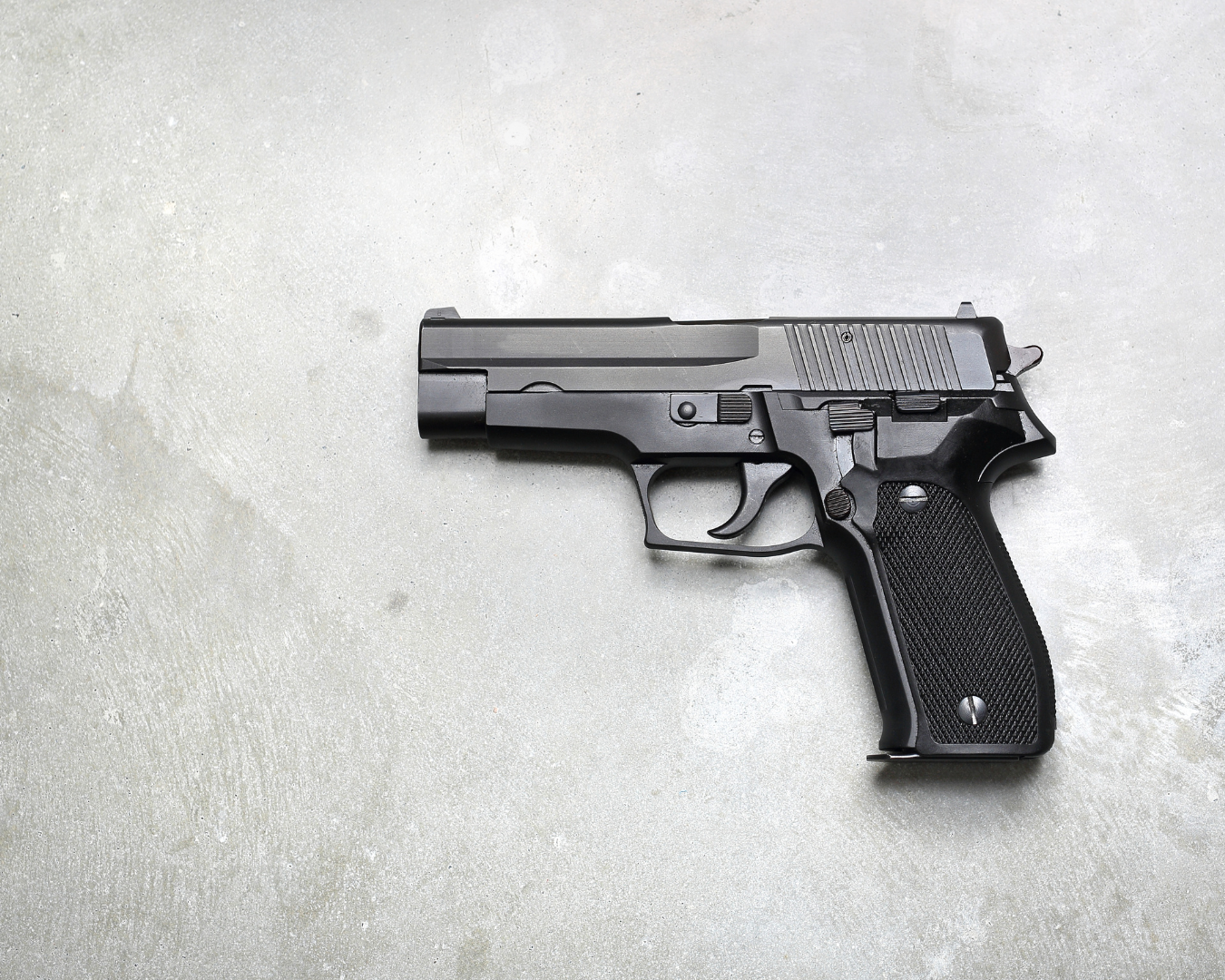
A critical aspect of the CCW class is ensuring that individuals are intimately familiar with the firearms they plan to carry. This includes a comprehensive understanding of firearm safety operation, from loading and unloading procedures to disassembly and reassembly for cleaning and maintenance. Students are encouraged to practice these skills repeatedly until they become second nature, as proficiency in handling one's chosen firearm is paramount for responsible concealed carry.
5. Defensive Shooting Techniques: Preparing for the Unthinkable
Preparing for the Unthinkable While personal safety is the primary motivation for obtaining a concealed carry permit, the NY State CCW class equips individuals with the knowledge and skills necessary to navigate potentially dangerous situations, all while emphasizing the importance of being a responsible shooterwho prioritizes de-escalation whenever possible.
6. Proper Stance and Grip: Foundations of Accurate Shooting
Fundamental to accurate and safe shooting is learning the proper stance and grip. The CCW class instructs students on adopting a stable shooting platform, maintaining a proper grip on the pistol, and understanding how body mechanics contribute to accurate and controlled shooting. These principles are reinforced through live-fire exercises, allowing students to experience firsthand the impact of proper technique on their shooting performance.

7. Live-Fire Exercises: Putting Theory into Practice
Practical firearm skills application is a crucial component of the CCW class. Live-fire exercises on the shooting range allow students to apply the principles learned in a controlled and supervised environment, reinforcing safe weapons handling and accurate shooting. These exercises often incorporate scenarios and shooting positions, simulating real-world situations and preparing individuals for the unexpected. Some ranges may even offer marksmanship qualification programs to help individuals hone their shooting skills.

8. Stress Inoculation: Preparing for High-Pressure Situations
The CCW class often includes scenarios designed to simulate high-stress situations, a practice known as stress inoculation training. These exercises prepare individuals for real-world encounters' physiological and psychological effects, helping them make sound decisions under pressure. A certified Instructor may incorporate simulated threats, time constraints, or other stressors to challenge students' ability to maintain composure and execute proper techniques.
9. Mental Preparedness: The Ethical and Legal Obligations
Responsible concealed carry goes beyond physical skills and proficiency with firearms. The CCW class emphasizes mental preparedness, teaching individuals to assess and analyze situations objectively, make informed decisions, and understand the legal and ethical responsibilities of using a firearm for self-defense. This includes thoroughly examining the use of force continuum, de-escalation techniques, and the potential legal consequences of using lethal force.

10. Ongoing Training: A Lifelong Commitment
Obtaining a concealed carry permit is not a one-time event but the beginning of a lifelong commitment to responsible gun ownership. The CCW class underscores the importance of ongoing training and practice to maintain and improve firearm skills. Regular range sessions, additional courses like the NRA Gun Safety Programs, and staying informed about changes in laws and regulations contribute to responsible gun ownership and help individuals remain vigilant and prepared should they ever need to employ their concealed carry firearm in self-defense.
Conclusion
In conclusion, learning firearm safety and completing the NY State Concealed Carry Weapons class are essential steps toward responsible concealed carry. These courses go beyond mere legal compliance; they instill a deep understanding of firearm safety, responsible gun handling, and the mental and physical skills necessary for effective self-defense. By undertaking such training, individuals contribute to a culture of responsible gun ownership, promoting safety and security within their communities while exercising their Second Amendment rights responsibly and ethically.