
IWB vs OWB Holsters

Choosing the right holster is crucial for concealed carriers seeking optimal comfort, accessibility, and firearm retention. While In-Waistband (IWB) and Outside-the-Waistband (OWB) holsters dominate the market, finding the best holster for your needs requires careful consideration.
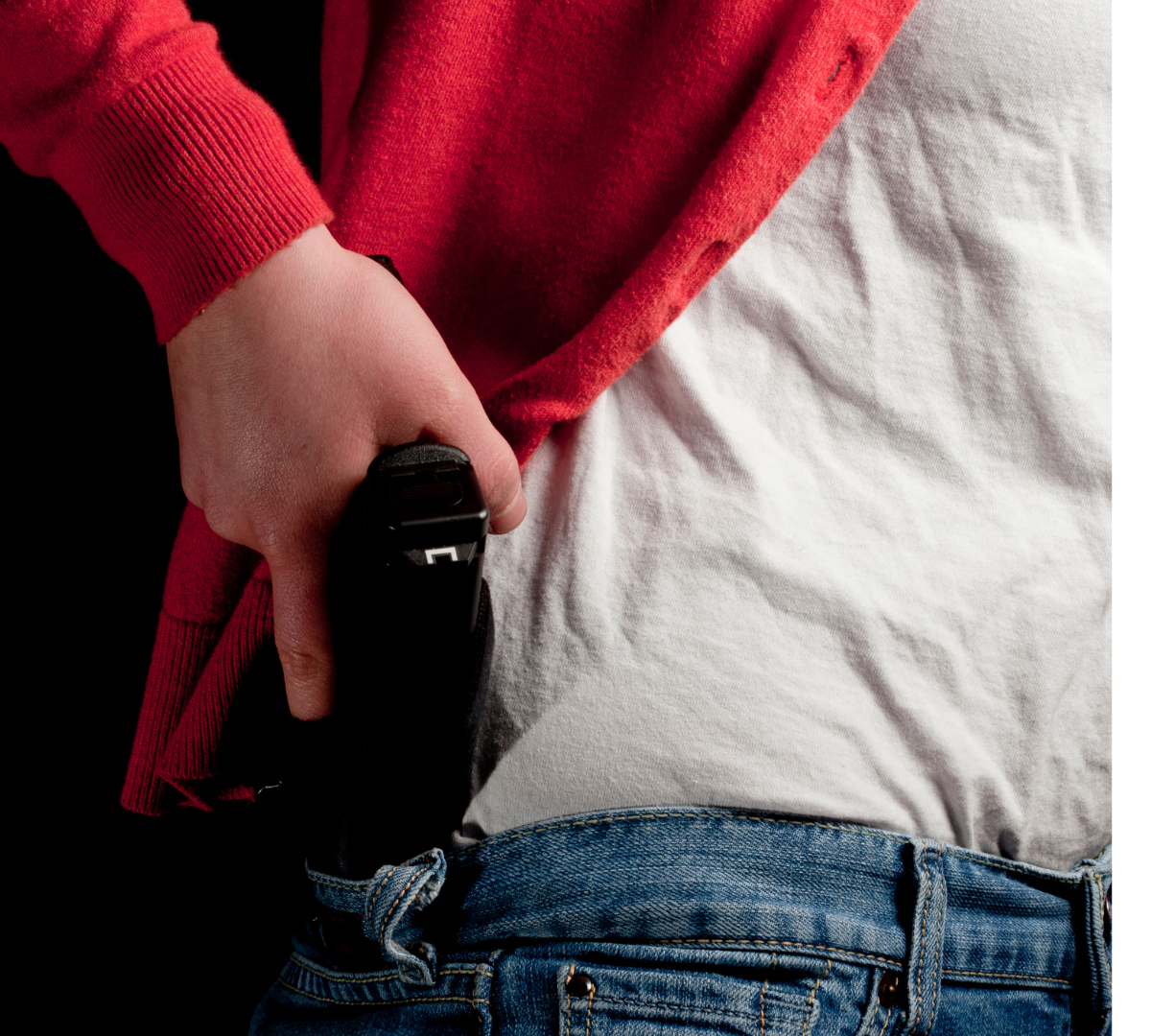
IWB Holsters: Discreet and Comfortable Concealment
IWB (Inside-the-waistband) holsters excel at concealment, fitting snugly within the waistband for a discreet carry. They are popular for appendix carry and offer a comfortable option for many users. This placement provides a low profile, making it an ideal choice for everyday carry. Many users appreciate the comfort and discretion afforded by IWB holsters, as they can be concealed effectively under various clothing styles.
When selecting an IWB holster, key features include adjustable retention to ensure a secure fit for different firearm models, deeper concealment for optimal hiding, ride height to determine the holster's position on the body and attachment options like belt clips or belt loops for versatility.
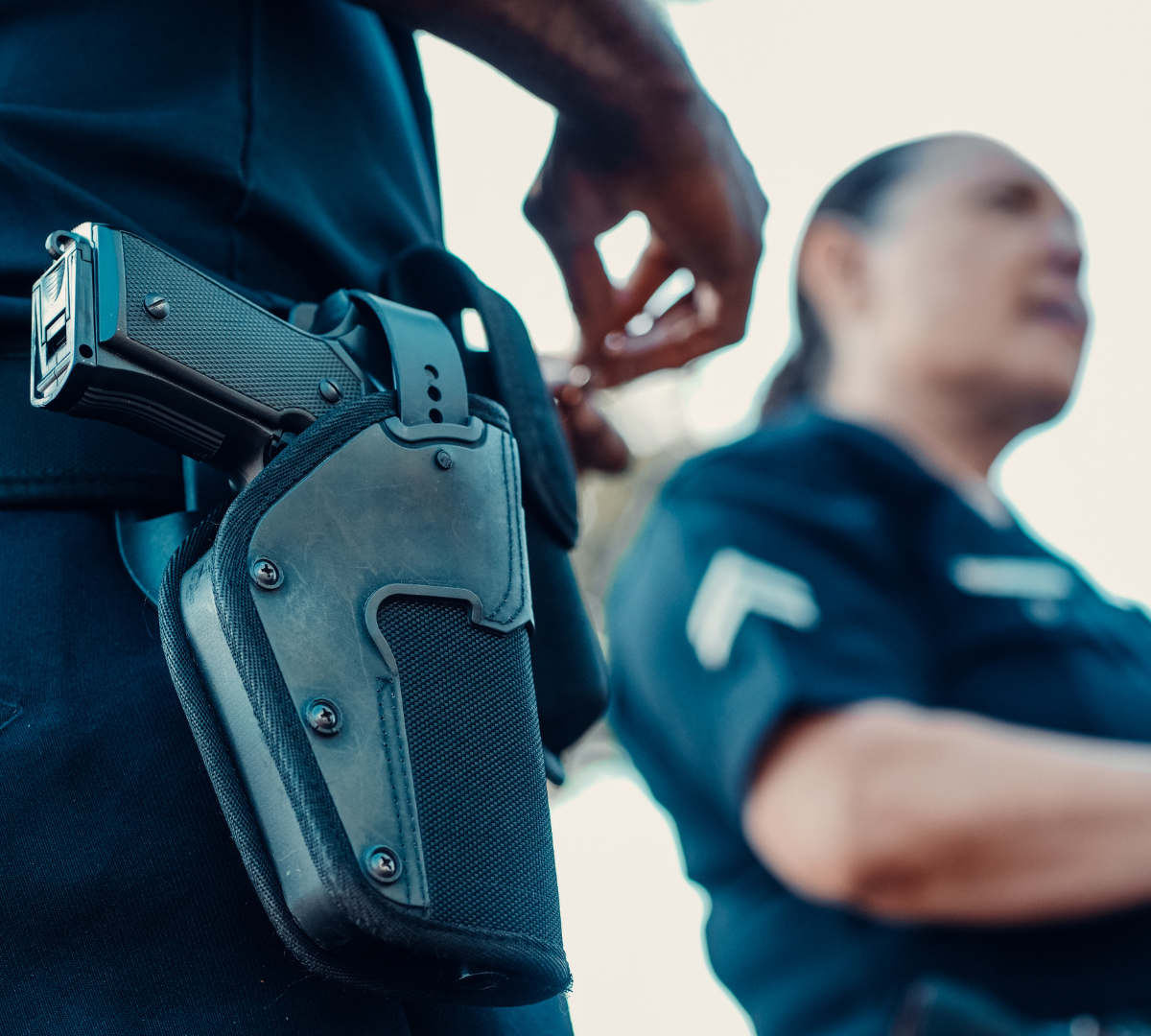
OWB Holsters: Accessibility and Open Carry
OWB (Outside-the-Waistband) holsters are worn externally on the waistband, offering quicker access to your firearm. While less ideal for complete concealment, they excel in open-carry situations. OWB holsters are often preferred for open carry or wearing thicker clothing that may hinder concealment. While less discreet than IWB options, they usually offer a more natural draw motion.
Essential features to consider when choosing an OWB holster include strong side carry (the most common placement), carry options for different styles (appendix, hip, back), precise fit for a secure draw, and holster material, with Kydex being a popular choice for its durability and moldability.
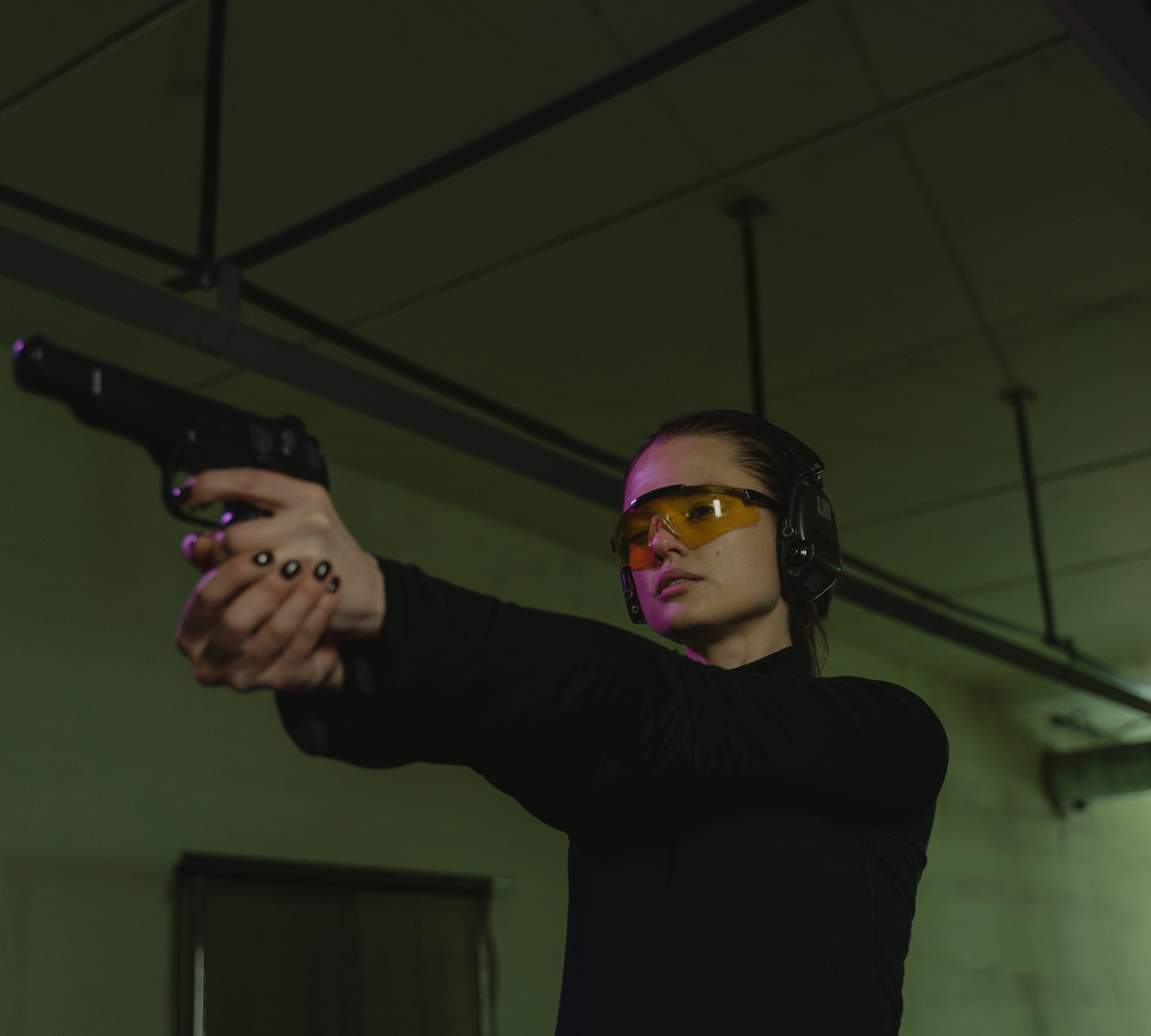
Training for Concealed Carry
It's essential for proficiency and safety in concealed carry. Typical training exercises include practicing drawing from the waistband holster, engaging targets from various distances and positions, and performing reloads under stress. Training drills should also incorporate movement, cover, and situational awareness to simulate real-world self-defense scenarios effectively.
The Importance of Retention
Firearm retention is essential for any holster. Whether you choose an IWB or OWB design, look for models prioritizing security without compromising accessibility. Features like retention screws, thumb breaks, and hooded designs enhance security. However, it’s crucial to balance retention and accessibility to ensure a smooth and efficient draw.
Factors to Consider When Choosing a Holster
Finding the perfect holster involves considering several factors:
- Concealment Level: IWB holsters offer superior concealment, while OWB holsters are less discreet.
- Comfort: It should be comfortable to wear for extended periods.
- Accessibility: A holster should allow for a quick and easy draw.
- Retention: Strong retention is essential, but it shouldn't hinder accessibility.
- Carry Position: Experiment with different carry positions to find what works best.
- Holster Material: Kydex is a popular choice for its durability and moldability.
The Importance of Fit and Comfort
Beyond concealment and accessibility, the fit and comfort of a holster are paramount for daily carry. An ill-fitting holster can cause discomfort, print, and even lead to safety issues. Factors such as holster material, cant angle, and ride height significantly impact the overall experience.
- Holster Material: Durable materials like Kydex are often preferred for moldability and retention. Many reputable holster manufacturers offer a lifetime warranty on their carry holsters for added peace of mind.
- Cant Angle: This refers to the tilt of the holster. A slight cant can improve draw speed and comfort for some users. Experimenting with different cant angles can help determine the optimal position for your firearm.
- Ride Height: The height of the holster on your waistband affects concealment and draw accessibility. A higher ride height may provide better concealment, while a lower ride height can facilitate a quicker draw.
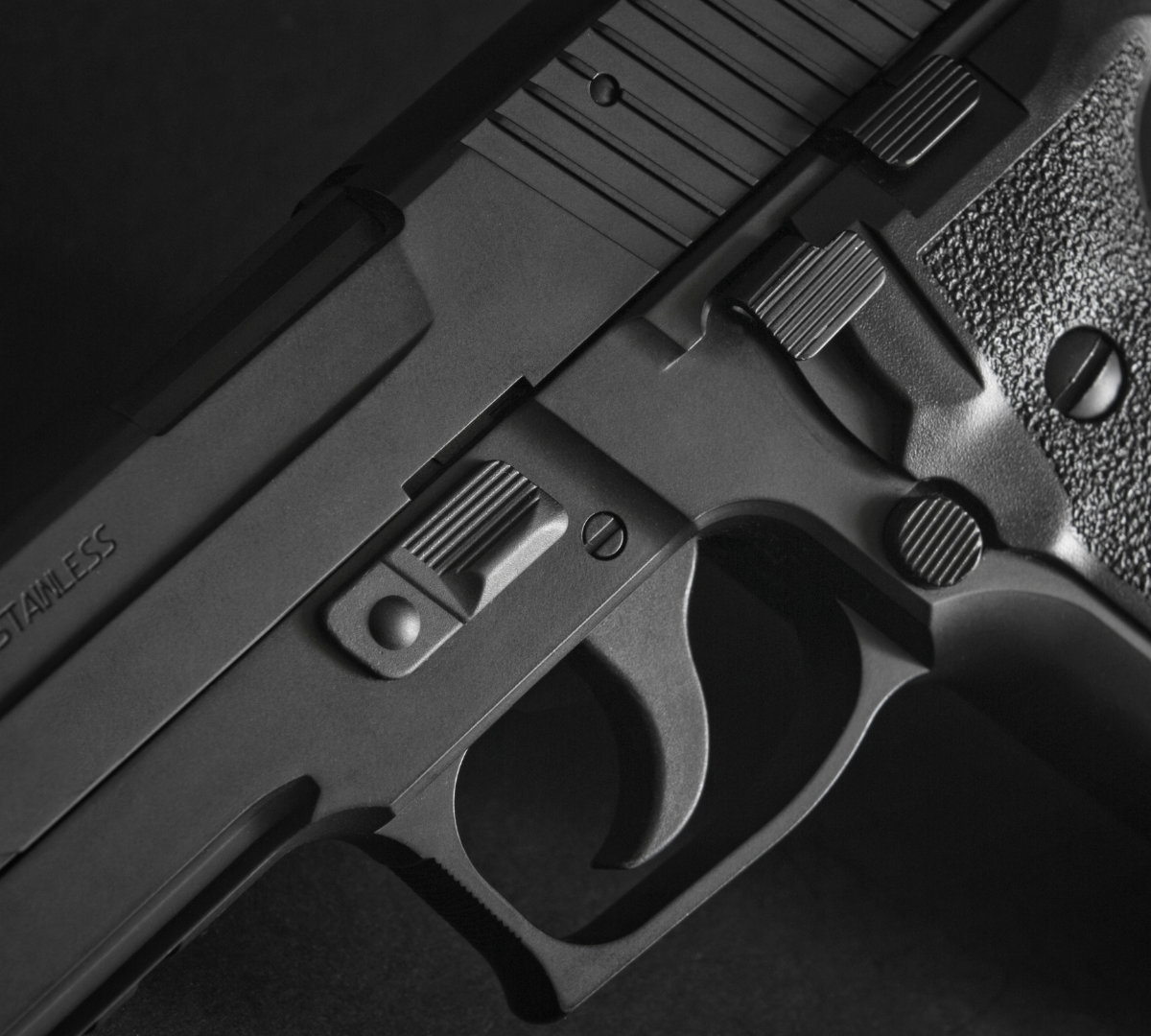
Choosing the Right Holster for Your Lifestyle
The ideal holster depends on your individual needs, lifestyle, and firearm. Consider the following factors:
- Carry Preference: Determine whether you prefer IWB, OWB, or another style based on your comfort and concealment requirements.
- Firearm Size and Weight: The size and weight of your handgun will influence holster selection.
- Clothing Style: Your typical attire will impact holster choice.
- Activity Level: Consider your daily activities and choose a holster that won't hinder your movement.
- Concealment Needs: Assess your environment and determine the level of concealment required.
Ultimately, the best way to find the perfect holster is through experimentation. Try different styles, materials, and carry positions to discover what works best.
Are there any safety considerations to keep in mind when choosing between an IWB and OWB holster?
When choosing between IWB and OWB holsters, safety considerations include ensuring proper retention to prevent accidental firearm access, trigger protection to avoid misfires, and comfort for secure carrying. Holster material durability and proper fit are also crucial for safe firearm handling.
Enhancing Your Carry Setup
Enhance your carry setup with a mag pouch for faster reloads. Look for unique designs with innovative safety features. Consider good-condition used for budget-friendly options, but prioritize firearm retention.
By carefully considering these factors and experimenting with different options, you can find the perfect holster to meet your concealed carry needs. Regular practice and training are essential for developing proficiency and confidence in drawing and handling your firearm.