
Hotwork and Fire Safety
What are the High Stakes of Hot Work?
The potential for disaster is magnified in high-occupancy buildings such as hotels, motels, office buildings, and shelters. These structures often contain a wealth of combustible materials, from furniture and draperies to construction components. A single spark can ignite a chain reaction, rapidly spreading fire and endangering lives.
Beyond the immediate fire risk, hot work can also lead to smoke inhalation, burns, and other injuries. Moreover, the damage caused by a fire, including structural damage, loss of property, and business interruption, can be economically devastating.
Understanding Fire Classes
Effective fire suppression hinges on accurately identifying the type of fire. Fires are categorized into five classes based on the fuel involved:
- Class A fires involve ordinary combustibles (wood, paper, plastics).
- Class B fires involve flammable liquids and gases (gasoline, oil).
- Class Cfires involve energized electrical equipment.
- Class D fires involve combustible metals (magnesium, titanium).
- Class K fires involve cooking oils and fats, typically found in commercial kitchens.
Each class requires a specific type of extinguishing agent for optimal effectiveness.
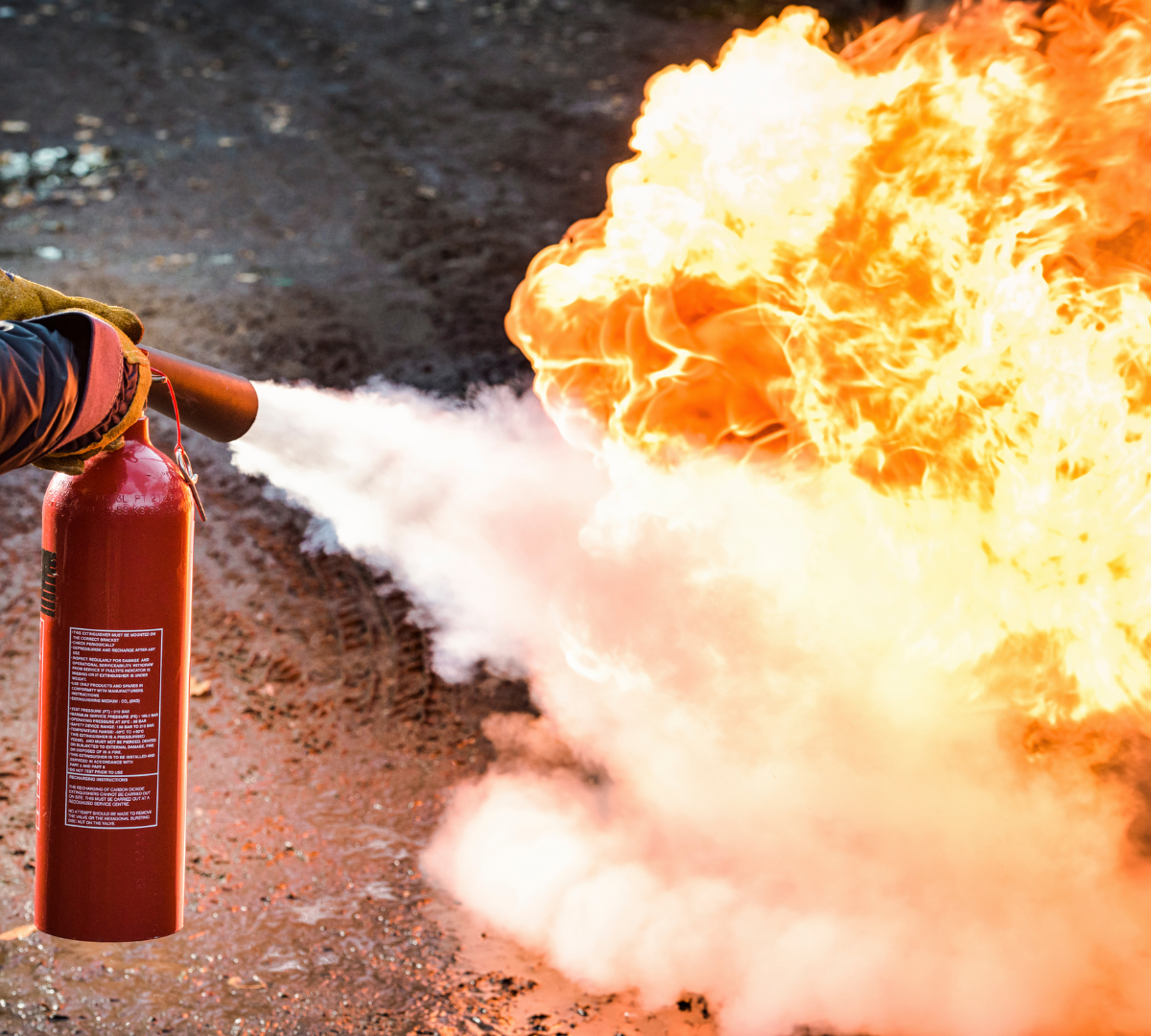
Portable fire extinguishers: Your First Line of Defense
Portable fire extinguishers are invaluable tools for combating small fires in their incipient stages. However, their effectiveness depends on selecting the right type for the fire.
- Class A extinguishers contain water or foam-based agents suitable for extinguishing Class A fires.
- Class B extinguishers contain dry chemical or carbon dioxide (CO2) agents effective against Class B fires.
- Class C extinguishers contain dry chemical agents or CO2 and are safe for use on Class C fires involving electrical equipment.
- Class D extinguishers contain specialized agents for suppressing Class D fires involving combustible metals.
- Class K extinguishers contain wet chemical agents designed for use on Class K fires in commercial kitchens.
The effectiveness of a fire extinguisher depends on its stored pressure, indicated by the gauge. When used, the extinguishing agent is discharged through a hose to suppress the fire.
The Role of Potassium in Fire Suppression
While potassium compounds are commonly found in dry chemical fire extinguishers, their function is indirect. These extinguishers work by interrupting a fire's chemical chain reaction. The potassium compound acts as an interrupting agent, smothering the fire and preventing its reignition.
It's important to emphasize that not all dry chemical extinguishers contain potassium. Some utilize sodium or other compounds.

Fire Department Response and Evacuation Planning
In the event of a fire, prompt and coordinated action is paramount. Including the discharge of fire suppression systems and evacuation procedures. Fire departments are trained professionals equipped to handle emergencies. Facilities should have clear procedures for contacting the fire department immediately upon discovering a fire.
A well-rehearsed evacuation plan is equally essential. All occupants should be familiar with emergency exit routes and assembly points. Regular fire drills reinforce these procedures and ensure everyone can evacuate safely and efficiently.
Key considerations for evacuation plans include:
- Clear and visible exit signs
- Designated escape routes
- Fire escape stairs
- Emergency lighting
- Assembly points away from the building
By combining fire prevention measures, proper equipment, trained personnel, and effective emergency plans, facilities can significantly reduce the risk of fire-related incidents and protect the safety of occupants.

The Importance of Fire Safety Personnel
In many jurisdictions like New York City, facilities are required to have designated fire safety personnel. These individuals, such as F-80 fire safety coordinators and F-89 Fire and Life Safety Directors, play a critical role in fire prevention, emergency response, and evacuation procedures.
By implementing comprehensive fire safety measures, including hot work permit systems, fire inspections, employee training, and emergency response plans, facilities can significantly reduce the risk of fire-related incidents and protect the lives and property of occupants.
Additional Considerations
- Hot work permits: These documents outline safety precautions, required equipment, and authorized personnel for hot work activities.
- Fire prevention inspections: Regular inspections identify potential fire hazards and ensure compliance with fire safety codes.
- Employee training: Fire safety training empowers employees to recognize and respond to fire hazards.
- Emergency lighting and signage: Adequate and marked exit signs are essential for safe evacuation.
- Fire suppression systems:Besides portable extinguishers, consider installing fixed fire suppression systems for large areas or high-risk zones.
By adopting a proactive approach to fire safety, facilities can create a safer environment for everyone.